
Familiar machines, made precise
SmartSpread mounts on standard plantation tractors, the kind your team already knows. Nothing new for you to buy, insure, or maintain.
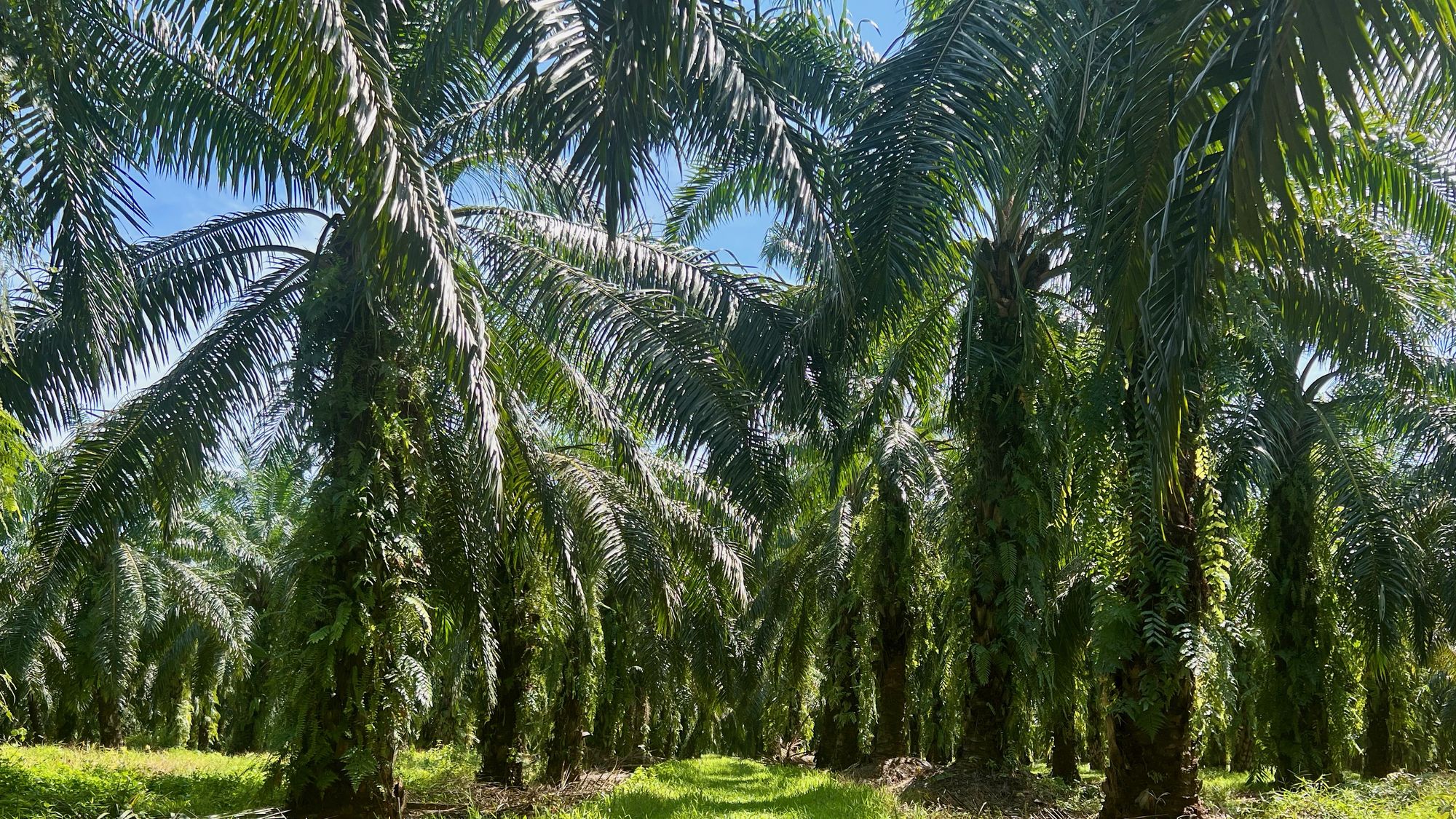
For two years we ran a closed beta with one of the world’s largest sustainable palm oil producers. We built the systems to apply fertilizer precisely and report the data accurately. We are now opening a small number of pilots: regular tractors, drivers we train, our vision, priced per hectare per year.
We carry the hardware, the software, the trained drivers, and the risk. You pay per hectare per year for the work, done to a standard you can see.
SmartSpread mounts on standard plantation tractors, the kind your team already knows. Nothing new for you to buy, insure, or maintain.
We supply drivers trained on the system, so the work gets done without your estate hiring or scheduling for it. The dose moves to a system that sees every palm as the tractor passes.
Hardware, software, and support sit with us. If it does not perform, you do not scale.
We walk your most important land together and look at your inputs, costs, application windows, labor, and vacant points.
Over a defined application window, SmartSpread runs on the blocks you choose, beside an untreated control row, with drivers we supply. We log every pass, so the comparison is fair.
You see cost per ton, uniformity, coverage, and audit records on one dashboard. Then you scale what works, on terms that reflect what you measured.
By the end of the day you see what was applied where, tree by tree, on a map your head office can open.
A good pilot partner has the scale to make results meaningful and a team ready to look at the numbers with us.
Estates large enough that a measured improvement across blocks changes a number you report, rather than a small test plot.
An estate manager and finance lead who will act on cost per ton and uniformity.
A defined fertilizing window on named blocks, so we can run against a control.
No. Fertilizing-as-a-Service is the default: we own and maintain the equipment, and you pay per hectare per year. If you would rather own the equipment and run it in-house, that is possible too. Ask us for prices.
No. Under Fertilizing-as-a-Service we supply drivers trained on the system, so the fertilizing does not compete with your crew’s other work. If you would rather your own drivers ran it, half a day of training is enough for an experienced tractor driver.
GPS based variable rate applies one rate across a whole block and cannot see the palm in front of the tractor. SmartSpread identifies each palm in real time and skips vacant points.
For the SmartSpread tractor retrofit, installation takes about a week from a signed scope. That week covers the site visit, the configuration, and the supervised first passes. We ship the first tractor-integrated units in early 2027, so we are scoping pilots now against that production run. SmartSpread runs today on the TerraMax platform. The pilot itself runs over a defined application window on named blocks, beside an untreated control, so you get a measured result on your own land rather than a demonstration. TerraMax deployments take longer.
Per-hectare-per-year pricing depends on blocks, scale, and season. Apply, and we will quote against your own land.
Tell us which blocks are most important to you and the application window you want to run. We reply within two business days with a pilot scope and what we’d measure together.